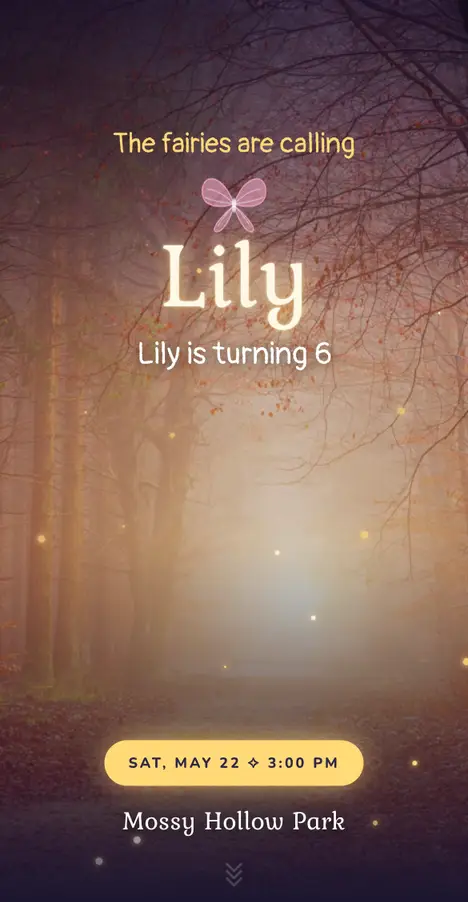




Half the stress of hosting is the RSVPs: who is coming, who said maybe, who never answered. Most of it comes from how the invitation is sent, not from your guests. Here is what actually works.


1. Make answering take two seconds
A screenshot of a card can't be answered. A link with Going, Maybe and Can't go buttons can. Guests shouldn't need an app or an account, which is how InviteMeOut works: they tap the link and answer in the browser.
2. Give a real deadline
“RSVP by Friday, March 1” works better than “let me know”. Tie it to something real: “so we can give the caterer a headcount”.
3. Send personal links
When each guest has their own link, you can see who opened the invitation and who hasn't. Then you know who to nudge, instead of messaging everyone.
4. Nudge once, individually
Two or three days before the deadline, message only the people who haven't answered, one by one. A group-chat reminder gets ignored.
5. Say the plus-one policy
“Partners welcome”, “just you, please” or “kids welcome”. If you don't say it, people guess, and the headcount drifts.
6. Use a spot limit and a waitlist
If space is limited, cap the spots. When someone cancels, the next person on the waitlist can come, and the room stays full.
7. Remind the day before
One short message the day before, with the address and the start time, cuts no-shows more than anything else.
Send an invitation people answer
RSVP in the browser, personal links, spot limit and waitlist. Free.
Don't see your occasion? We'll design it for you
Tell us about your event and we'll make the invitation, with a custom design if none of these fits, and put it in your account.
Questions people ask
How do I politely remind people to RSVP?
Message only those who haven't answered, one by one, two or three days before the deadline: "Hope you can make it! Could you let me know by Friday?"
What does RSVP mean?
It's from the French "répondez s'il vous plaît": please reply.